-
10-06-2026
High temperatures and solar radiation – Protecting crops when the weather shifts
A sudden change in conditions for crops
After a spring characterized by cool temperatures, intermittent but continuous rain and high environmental humidity, many crops have completed their cycle under relatively mild conditions. In many cases, this scenario has promoted good plant activity, but it has also kept the plants adapted to an environment with lower evaporative demand and less heat pressure.
However, this change in conditions is proving to be abrupt. The sudden rise in temperatures brings us an early summer, where crops transition in just a few days from cool, humid conditions to an environment of high radiation, increased transpiration and strong water demand. This quick transition represents a major physiological challenge, especially for plants that have not gradually acclimated to the heat.
Right now, the problem isn’t just that it’s getting hotter. The real risk lies in the combination of elevated temperatures, intense solar radiation and plant tissues reaching this stage with limited adaptation to heat stress. Leaves, young fruits and growing organs can be particularly vulnerable to sunburn, superficial dehydration, loss of firmness or developmental disorders.
That is why monitoring temperature trends and anticipating periods of peak sunlight becomes a key agronomic decision. It’s not just about reacting when symptoms appear but rather helping the crop get through this climate transition with the lowest possible physiological cost.
What happens to the plant when temperatures rise?
When temperatures exceed certain thresholds, the plant begins to allocate a significant portion of its energy to defend itself against stress, reducing its productive efficiency. One of the first visible effects is increased transpiration: the plant loses more water to try to regulate its temperature; however, if the evaporative demand is too high or the root system fails to compensate for that loss, a water imbalance occurs.
As a result, we may see temporary withering, stomatal closure, reduced photosynthesis and lower nutrient absorption. This defensive response helps limit water loss, but it also reduces CO2 intake and, consequently, the plant’s ability to maintain its metabolic and productive activity.
In this context, aside from ensuring proper irrigation management, it is convenient to physiologically strengthen the crop so it can better respond to periods of peak environmental demand. It is not about forcing growth, but rather helping the plant maintain its metabolic balance, vigor and resilience against heat and water stress.
Heromar – Physiological support against heat and water stress
As part of this preventive strategy, Heromar stands as a complementary tool to support crops during periods of high temperatures. Its formulation, based on Ascophyllum nodosum, helps improve the plant’s metabolic state and promotes a more balanced response to adverse conditions, such as heat and water stress.
Applied regularly, Heromar helps boost crop vigor, promote root development and improve tolerance to stressful conditions. These aspects are especially important when temperatures and the water demand of the system rise, as a physiologically active plant with good root development and better responsiveness will be better prepared to face intense heat waves.
The impact of solar radiation on leaves and fruit
Added to this effect is the direct impact of solar radiation on leaves, fruit and young tissues. Under conditions of high insolation, the most exposed organs can suffer from sunburn, loss of firmness, color alterations, superficial dehydration or scorching. In fruit trees, vegetable crops and woody crops, this damage not only reduces commercial quality but also compromises the shelf life and the final value of the harvest.
Among the available strategies, physical protection measures —such as shading, proper irrigation management or reducing aggressive interventions during the middle of the day— help limit the impact of excessive radiation and heat. However, in many scenarios, it is also highly convenient to complement these practices with specific tools that act directly on the plant surface.
Eklipso – Direct protection against solar radiation
This is where Eklipso comes in, a calcium-based solution with stabilized micrometric particles, developed by Herogra Especiales to maximize crop protection against stress caused by intense solar radiation. Its foliar application creates a natural physical barrier on plant tissues, reducing the direct impact of UV and visible radiation, and helping to protect sensitive cellular structures.
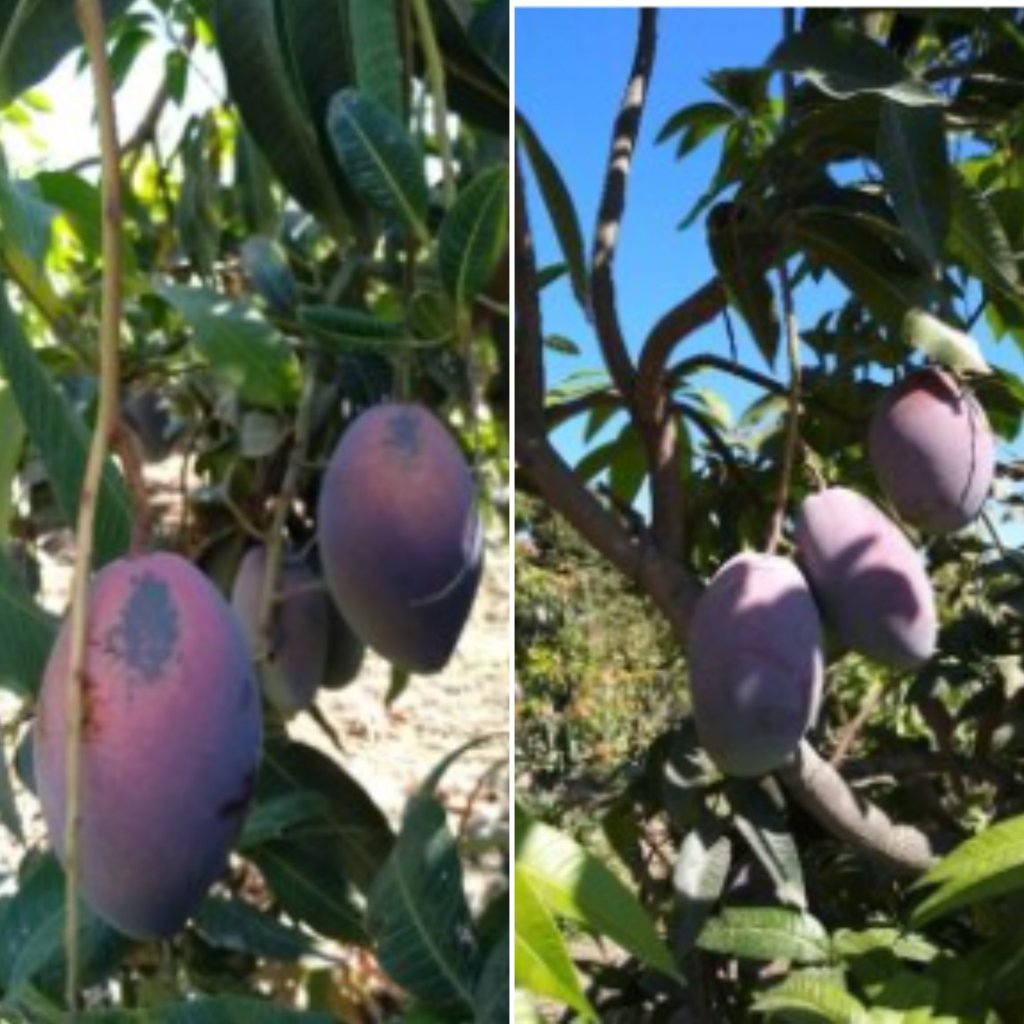
[Images of mangoes without Eklipso on the left, showing sun damage, compared to undamaged mangoes treated with Eklipso on the right]
This protective effect can lower the crop surface temperature by several degrees, fostering a more stable environment for leaves and fruit during times of peak sunlight. By reducing the thermal load on the tissues, the plant is better able to maintain its water and physiological balance, minimizing the risk of damage associated with sunburn and excessive radiation.
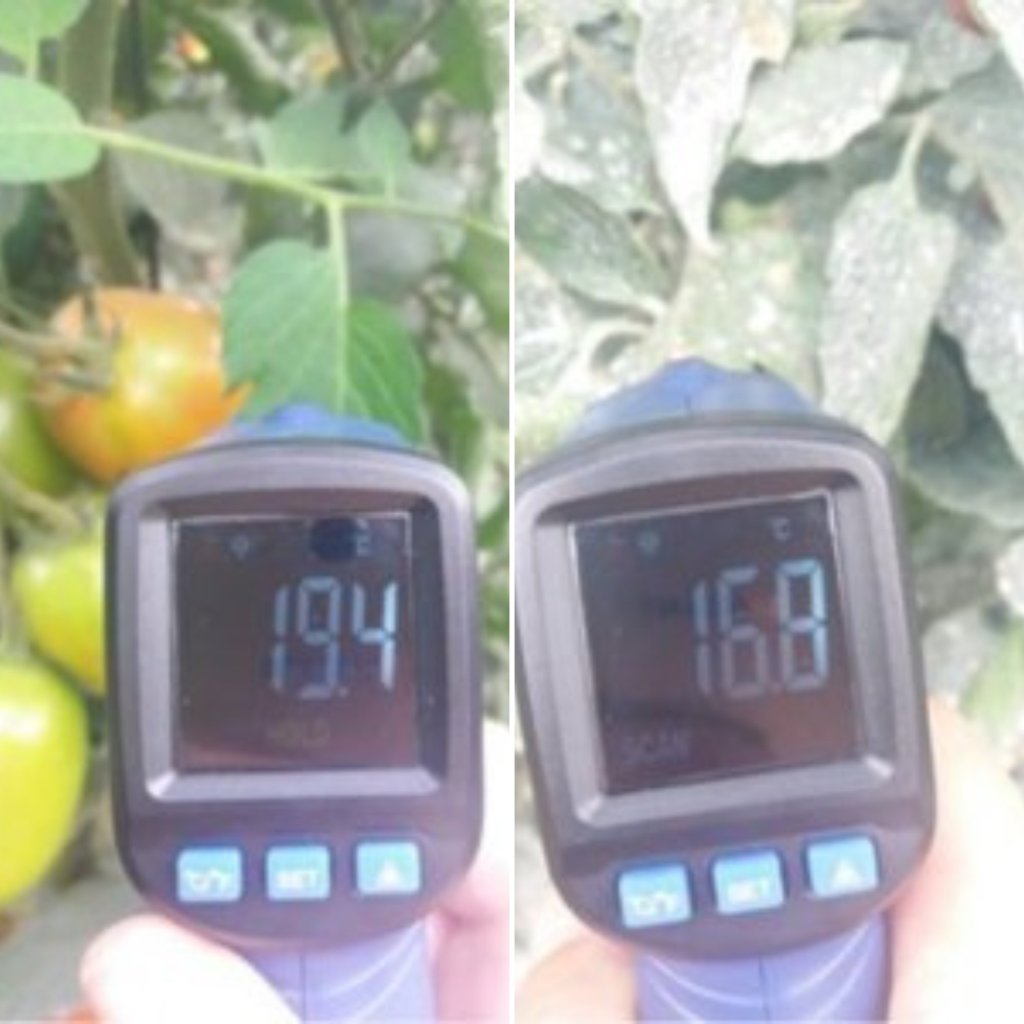
[Images of temperature measurement on a tomato leaf without and with Eklipso (left to right)]
Furthermore, Eklipso’s formulation is free from nitrogen, sulfate and chlorine, making it easy to integrate into management strategies aimed at protecting the crop without stimulating unwanted plant growth or adding unnecessary salts. Its use is particularly convenient in periods leading up to heat waves, during phases of high fruit exposure, or in crops where the visual and structural quality of the harvest is crucial.
A complete strategy – Physiological reinforcement and physical protection
Together, Heromar and Eklipso address the issue on two complementary fronts: on one hand, the physiological reinforcement of the crop against heat and water stress; on the other, the physical protection of tissues against excessive radiation and surface temperature.
Protecting the crop from high temperatures doesn’t mean isolating it from the summer but rather helping it better manage its resources during times of maximum environmental pressure. Anticipating, monitoring the weather forecast and combining agronomic measures with complementary solutions helps reduce damage, maintain physiological activity and preserve the final quality of the production.
In a context where extreme heat events are becoming increasingly frequent, taking preventive action against radiation and heat stress is no longer an occasional practice but a fundamental management strategy. Because taking care of the crop during times of peak exposure also means protecting the yield, quality and profitability of the harvest.


